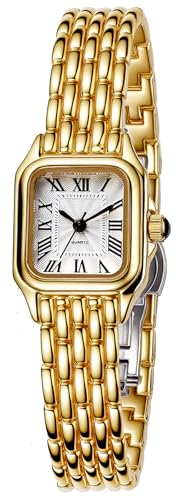
The Market Has Shifted — Here's What You Need to Know Before You Buy
If you stepped away from vintage watches for a few years and came back recently, the landscape looks noticeably different. Prices that seemed impossible have corrected in some segments, while others have climbed quietly without much fanfare. New collectors are entering with sharper research skills and more skepticism than ever. That's mostly a good thing — but it also means the rules for buying smart have changed.
See current vintage watches listings on eBay.
Condition Standards Have Tightened Considerably
The tolerance for "honest wear" has dropped. A few years ago, a patinated dial with some surface marks was easily forgiven — even celebrated. Now buyers are more demanding, and the market reflects it. Pieces with original lacquer, unpolished cases, and intact crowns command a serious premium. Refinished dials, no matter how skillfully done, carry a significant discount and deserve full disclosure from sellers.
What this means practically: if you're buying your first vintage piece, don't assume a watch described as "all original" is actually all original. Ask specifically about dial restoration, case polishing history, and whether hands have been replaced. Reputable dealers will answer these questions without hesitation. Anyone who gets evasive deserves your skepticism.
- Request macro photographs of the dial surface and case lugs
- Check that the crown matches the period of the watch — replacements are common
- Look for lug symmetry; uneven wear often indicates case polishing
Authentication Resources Are Better Than Ever — Use Them
The community infrastructure around vintage watches has grown dramatically. Reference databases, collector forums, and specialist Facebook groups now contain extraordinarily detailed documentation on specific references, production years, and known variants. Before buying anything significant, spend time cross-referencing your target piece against documented examples. Serial number ranges, dial text fonts, and caseback engravings have all been catalogued for most major references.
Third-party authentication services have also matured. Several established services now offer written reports specifically for vintage pieces, and many serious buyers won't transact above a certain price point without one. If you're spending more than a few hundred dollars, factor in the cost of authentication as part of your budget — not as an optional extra.
One shift worth noting: AI-assisted image analysis tools are now being used by some dealers and auction houses as a first-pass screening tool. They're not infallible, but they've raised the floor on what gets listed with confidence.
The Mid-Tier Market Offers Real Value Right Now
The hyped references — the ones that appeared in every magazine and sold for multiples of estimate at auction — have cooled. That correction has opened up genuine opportunity in the mid-tier segment. Watches from the 1960s and 1970s with interesting movements, clean dials, and solid provenance are available at prices that feel fair again.
Specifically, manual-wind dress watches from established Swiss manufacturers, field watches from military surplus channels, and early automatic references with quirky complications are all worth attention. These pieces don't have the same speculative heat, which means you're buying something you can actually wear and enjoy without constant anxiety about resale value.
- Field watches with documented military provenance are undervalued relative to their historical interest
- Early automatic movements from the 1950s offer mechanical fascination at accessible price points
- Sub-40mm dress watches are seeing renewed collector interest as wrist size preferences shift
Servicing Costs Deserve a Place in Your Budget from Day One
A vintage watch that hasn't been serviced recently isn't truly ready to wear. Movement service for a vintage piece now typically runs between $300 and $600 depending on complexity, and certain complications can push that considerably higher. Parts availability is a growing concern for some movements, and competent watchmakers who specialize in vintage calibers aren't getting more common.
Before buying, ask when the piece was last serviced and by whom. A watch serviced recently by a respected independent specialist is worth meaningfully more than an identical example with unknown service history. Build service costs into your total cost of ownership before you fall in love with a price tag.
The vintage watch market in 2026 rewards patience, research, and honest budgeting. The days of buying anything with a good story and expecting automatic appreciation are largely over — but the opportunity to own genuinely beautiful, historically significant pieces at reasonable prices is very much alive for buyers who do their homework.
Ready to shop? Browse a wide selection of vintage watches on eBay: View current listings