Why Old Watches Beat New Ones in Ways That Actually Matter
There's a moment every new collector remembers — holding a watch made fifty years ago, feeling the weight of an all-metal case, watching a hand-wound movement tick away through the caseback. It doesn't feel like an antique. It feels like something built to outlast everything you own. That feeling is the entry point for thousands of people who end up deep in this hobby, and it's worth understanding why before you spend a single dollar.
Vintage watches offer mechanical history, genuine craftsmanship, and in many cases better long-term value than contemporary alternatives at the same price point. But the market has landmines. Knowing what to look for — and what to avoid — separates a satisfying purchase from an expensive lesson.
Understanding What "Vintage" Actually Means
The watch community generally considers pieces from the 1950s through the early 1980s to fall within the vintage category, though there's no hard rule. What matters more than age is the era of manufacture. Pre-quartz-crisis watches — made before the mid-1970s disruption — tend to use movements that were assembled with greater care and from more durable materials than what followed.
Movements from Swiss manufacturers during this period used jewel bearings, hand-applied indexes, and finishing that reflected genuine workshop pride. Japanese manufacturers were producing exceptional movements during the same decades, often underappreciated and correspondingly underpriced today. When you're evaluating a piece, the movement generation matters as much as the brand name on the dial.
The Three Things That Determine Real Value
Condition, originality, and service history — these three factors drive value more than almost anything else.
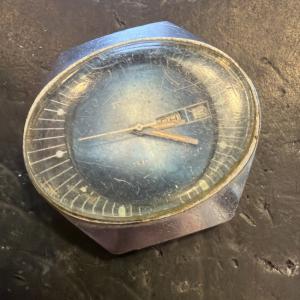
- Condition means the physical state of the case, dial, and crystal. Light wear on a case is expected and honest. Heavy polishing, however, rounds edges and removes original finishing. A heavily buffed case is worth significantly less than one with honest patina.
- Originality refers to how many components remain from the factory. Replaced dials, hands, crowns, and bezels all reduce value. Refinished dials — often flat black with no texture, suspiciously clean — are one of the most common issues newcomers miss.
- Service history tells you whether the movement has been maintained. A watch that hasn't been serviced in decades may run, but worn oils and dried lubricants cause internal damage over time. Budget for a service — typically $150 to $400 depending on movement complexity — when calculating what you're willing to pay.
Where to Buy and What to Avoid
Reputable dealers, established auction houses, and long-standing collector forums are your safest starting points. Grey market platforms have improved but still carry risk — especially for higher-value pieces where fakes and franken-watches (assembled from mixed parts) are more common.
Ask sellers directly: is the dial original? Has the case been polished? Is the crown matching? Legitimate sellers answer these questions without hesitation. Vague responses or deflection are red flags worth heeding. Request multiple photographs in natural light, specifically of the dial texture, crown, and caseback condition.
Avoid anything priced dramatically below market value without clear explanation. Bargains exist, but they're rare. A 30% discount on a highly sought reference is more likely a problem than a gift.
Building Knowledge Before Building a Collection
Spend time on dedicated collector forums before making significant purchases. The major online communities have reference threads, buyer protection guides, and members who will freely help authenticate pieces. Original catalogues, brand archive books, and reference guides specific to the manufacturers you're interested in are genuinely worth buying — they pay for themselves by preventing one bad purchase.
Handle as many watches as possible in person. Attend watch shows, visit dealers, and wear pieces before committing. Size preferences, dial legibility, and how a watch sits on the wrist are things photographs simply can't communicate.
The core principle that serves every vintage collector well is patience. The market rewards people who wait for the right piece in honest condition over those who rush into compromised examples. Buy fewer things, buy better, and build slowly — that approach produces both a better collection and a much more satisfying experience in this hobby.
Ready to shop? Browse a wide selection of vintage watches on eBay: View current listings